
Mobile and smart TV application development has turned a mature, ecosystem-driven practice influenced by changes in user behaviour, different device platforms, and constantly improving technologies. What had started off with plain utility apps has grown into intelligent and high-performance digital experiences across smartphones, smart TVs, and enterprise environments. This report provides a detailed, professional look at modern mobile and smart TV app development, structured directly from the real-world development practices and market insights.
Users today expect instant access, personalization, and seamless continuity across devices. Mobile apps dominate daily engagement, where users spend many hours on smartphones consuming short-form content, services, and interactive experiences. Smart TVs complement this behaviour by offering shared, immersive viewing experiences that integrate closely with mobile devices. Applications have been developed in phases, from static, task-based tools in the early 2010s to AI-powered personalization and voice interactions starting in 2017 and advanced real-time experiences enabled by 5G starting in 2020. This shift has driven demand for hybrid mobile-TV experiences, interactive content, and on-demand access across entertainment, commerce, education, and healthcare.
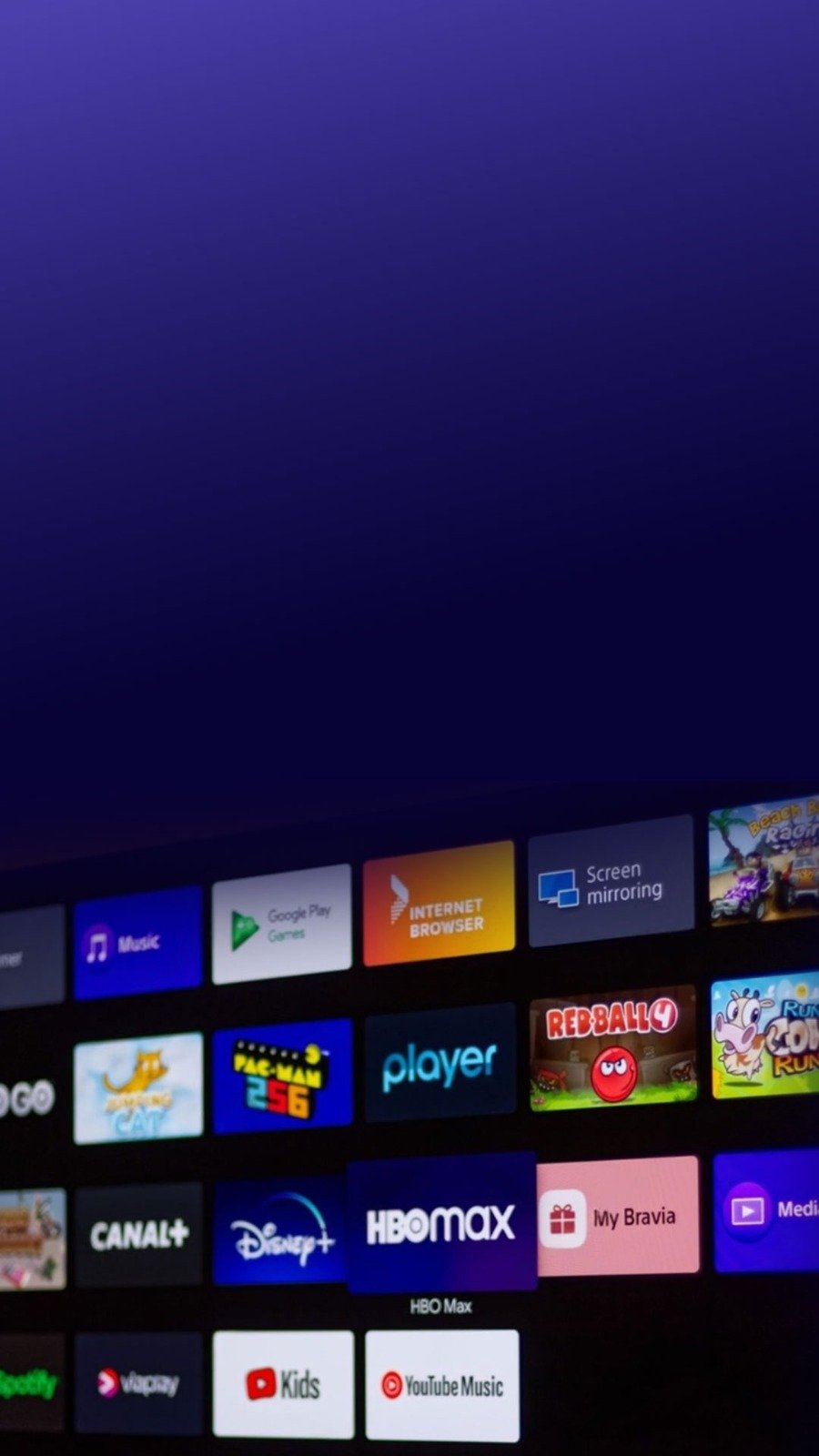
Smart TV App Development
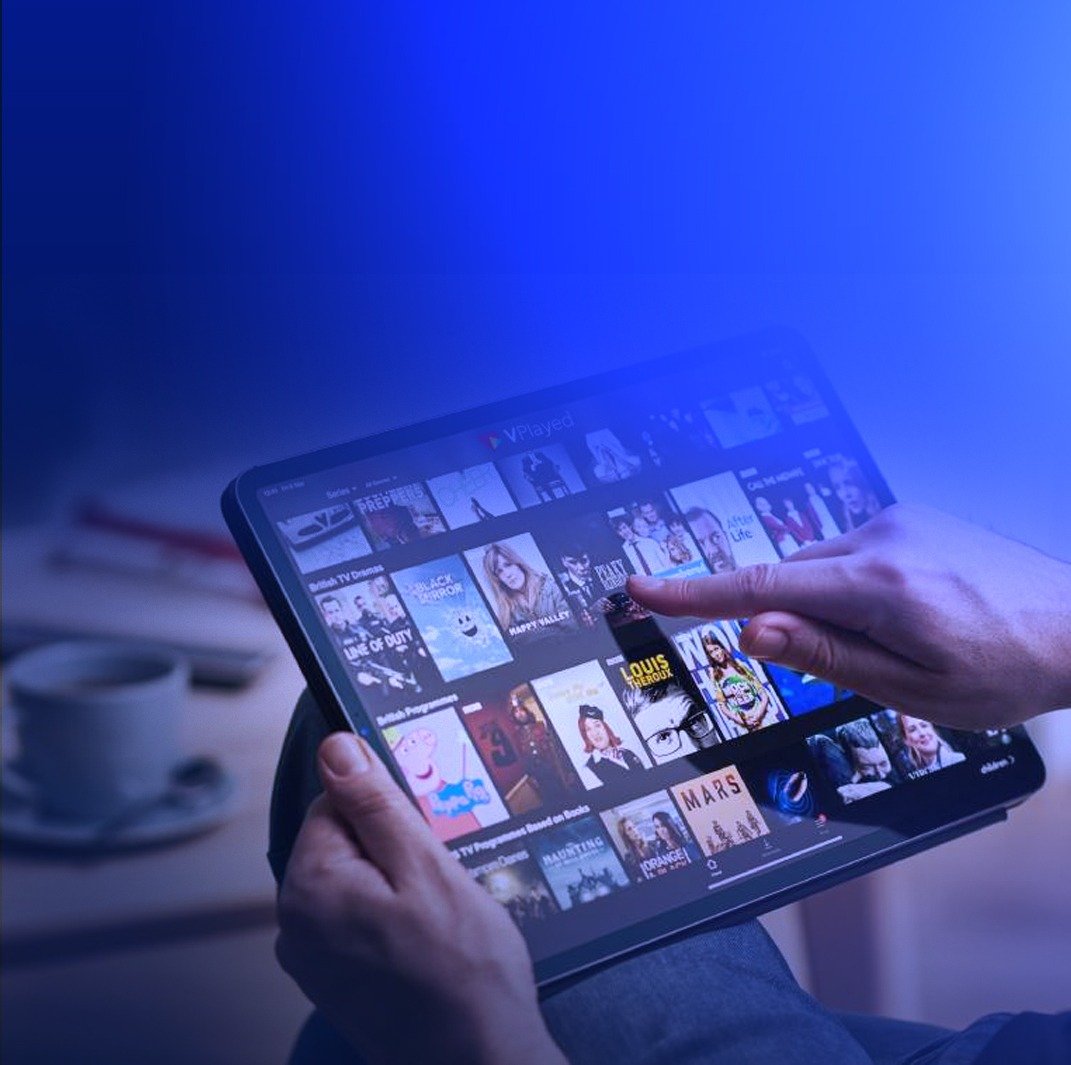
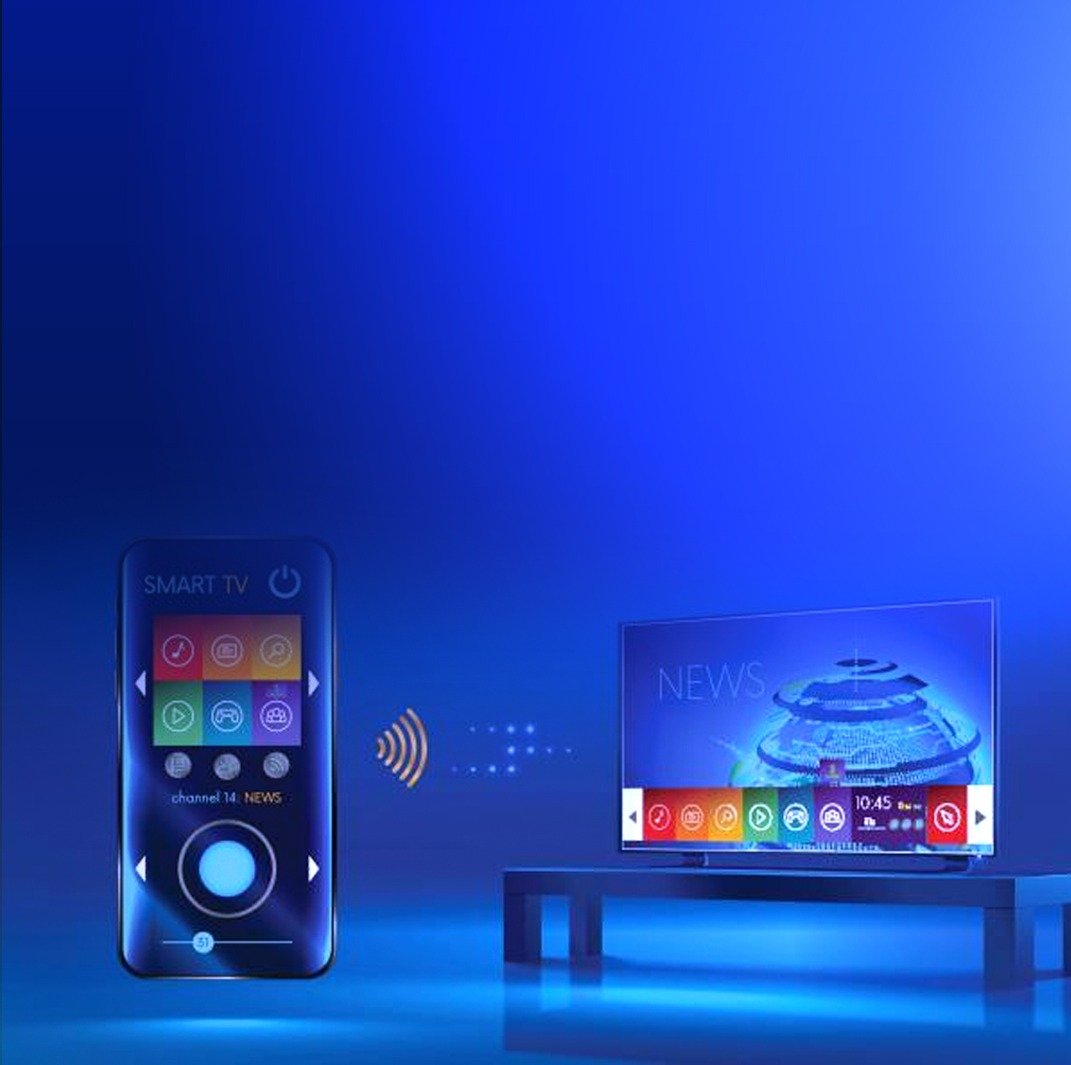
In multi-screen environments, the challenge is no longer device capability, but interaction coherence—designing systems where user intent flows continuously across screens without cognitive or functional friction
Native Mobile App Development-Android & iOS
The basis of high-performance mobile apps is native development. In its case, Android development in Kotlin or Java, and iOS development in Swift gives access to device hardware, system API, and platform-specific capabilities more deeply inside. For advanced graphics usage, sensor use, complex animation, or strict performance requirements, applications remain native because they have complete control over the user experience and optimization.
Smart TV App Development Across Major Platforms
Smart TVs have grown beyond simple media consumption devices. Today, they run full-scale applications built on specialized operating systems. Every major TV platform has its own space like Tizen used by Samsung, webOS used by LG, Android TV/Google TV runs multiple OEMs and Roku follows its own style.
Seeing work differently is only the beginning. The real breakthrough comes when leaders:
- Tizen relies on different web technologies. Samsung’s toolkit enabling smooth integration of video, remote control navigation and voice capabilities with JavaScript and CSS.
- WebOS also clutched web-based development. it is known for its fluid user interface and strong media support
- Android TV / Google TV extends the Android ecosystem to the big screen. It's making easier to adapt mobile apps using Lean back libraries and TV-focused UI components
- Roku comes up with unique development environments, guidelines and testing workflows
- Smart TV development requires a design mindset tailored to the “10-foot UI”.Such as, larger visuals, simplified navigation, minimal text, and remote-first interactions

.jpg)
Conclusion
Modern mobile and smart TV application development involves finding a balance between performance, usability, scalability, and security on varied platforms. Thus, organizations are able to create resilient, engaging, and future-ready digital experiences through alignment of development strategies with evolving user behaviour, platform ecosystems, and architectures that can be trusted.
Related Insights
Research Paper
Architectural Alignment Strategies
for Modern IT Infrastructures
This research studies how aligning system architecture with organizational workflows reduces operational complexity and failure points.
Expand → Go to Web Development Page →Research Paper
A Modular Approach to High-Performance Web Application Engineering
Our analysis examines how different web frameworks behave under varying loads and integration conditions.
Expand → Go to Web Development Page→Research Paper
Converged Interaction Models for Multi-Screen Application Environments
This study compares interaction patterns across handheld and large-screen devices to understand how users adapt between them.
Expand → Go to Mobile and Smart TV App Page →Research Paper
Operational Impact of Embedded AI Models in Existing Software Systems
The research evaluates how custom AI models behave when integrated with operational business systems.
Expand → Go to AI Integration Page →Research Paper
Sensor-Assisted Indoor Positioning: A Framework for Real-Time Spatial Intelligence
This study analyzes the performance of WiFi, UWB, and mapping-based systems for indoor navigation accuracy.
Expand → Go to Indoor Navigation Page →Research Paper
Practical Implementations of Distributed Ledger Systems in Enterprise Workflows
The research investigates how smart contracts, tokenization, and blockchain networks can improve auditability and process automation.
Expand → Go to BlockChain Page →